Sound Design for the Third Place
& How Acoustics Shape Community SpacesWalk into a great café, gallery, or community hub and you’ll feel it before you even notice why. The atmosphere is balanced, lively but not chaotic, calm but not silent, welcoming but not overwhelming.
What creates that “feel”? More often than not, it’s sound, and thoughtful acoustic design is what makes the difference.
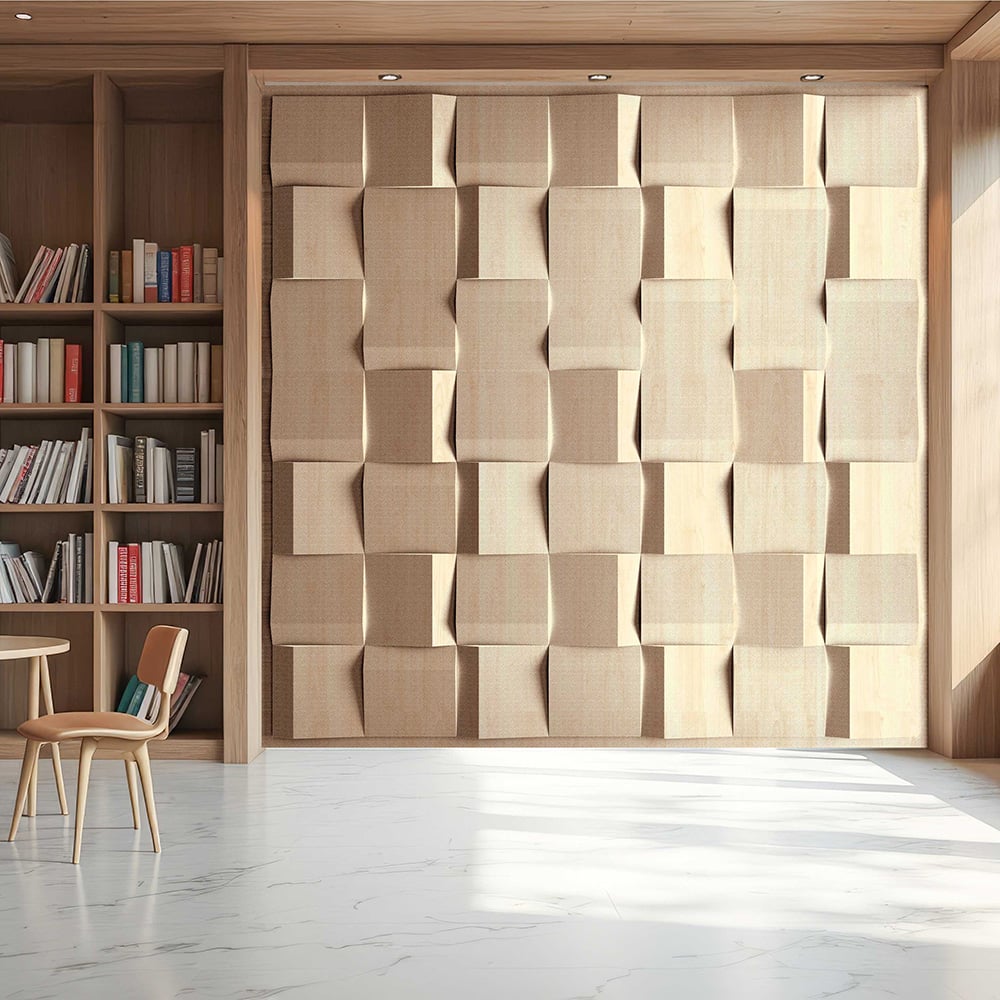
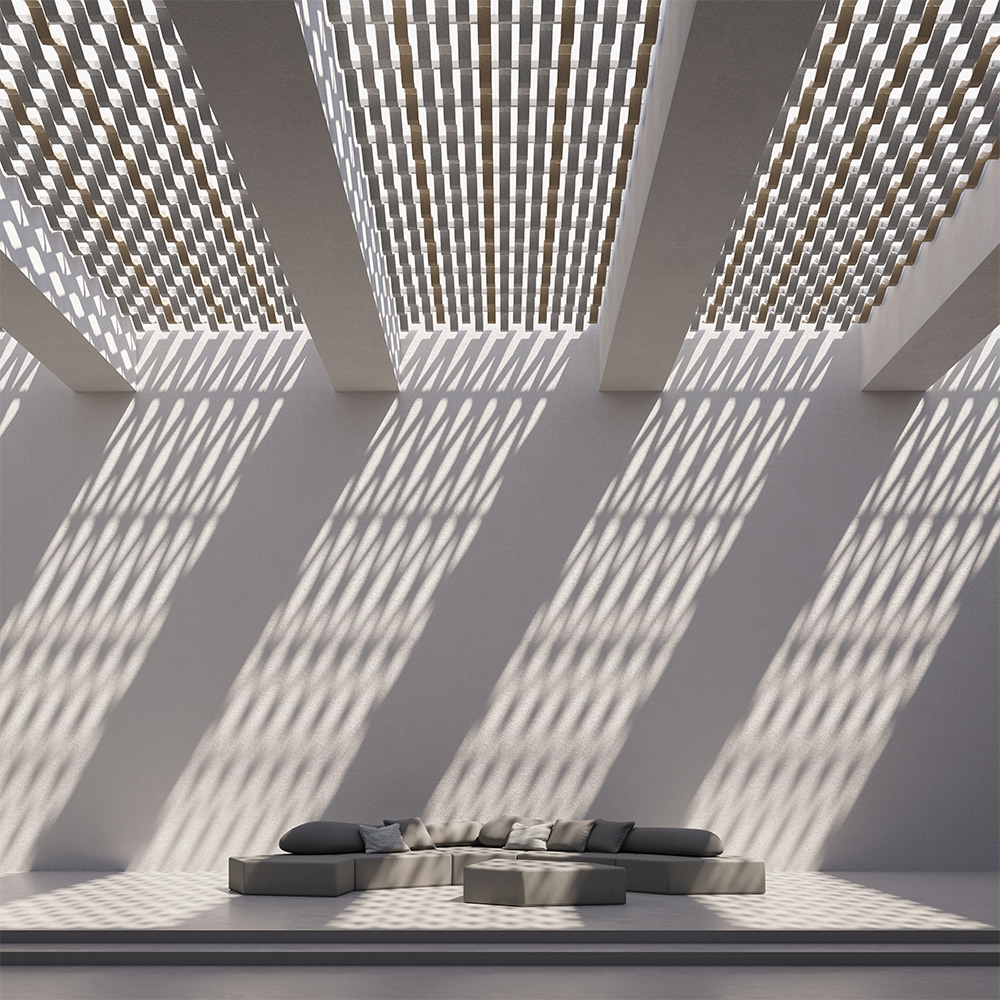
As more environments evolve into “third places,” EzoBord is seeing architects and designers rethink how commercial acoustic wall panels, and acoustic ceiling panels can turn everyday spaces into true social anchors.
What Exactly Is a “Third Place”?
The term comes from sociologist Ray Oldenburg, who described third places as the spaces between home (first place) and work (second place). These are the hubs where people gather, connect, unwind, create, and belong.
Think cafés, libraries, cultural centers, coworking lounges, recreation studios, makerspaces, community centers and the list keeps growing.
But here’s the real design challenge: How do you create a social space that fosters interaction without allowing noise to take over? That’s where sound design becomes a foundational layer of the experience.
Why Does Sound Matter More in Third Places?
These spaces are meant to be social but unregulated noise can quickly turn welcoming environments into exhausting ones. The right acoustic approach shapes:
- Dwell time (How long people stay)
- Social comfort (How easy it is to converse)
- Energy levels (Does the space feel calm or buzzing?)
- Accessibility (Is it inclusive for all users, including those with sensory sensitivities?)
Key Takeaway: Sound defines whether a third place feels inviting or overwhelming. Acoustic design directly shapes behavior, comfort, and community engagement.
What Should Designers Consider When Shaping Sound in Social Spaces?
Instead of asking, “How do we reduce noise?” EzoBord encourages designers to ask: “How should this space sound to support its purpose?”
Each third place has its own audio personality:
Cafés: Lively but controlled. Conversations should be audible but not colliding. Commercial acoustic ceiling panels can help soften overhead echo, while commercial acoustic wall panels keep sound balanced at ear level.
Libraries: Quiet, yet comfortable. Not sterile, sound should disappear naturally. Acoustic baffles or suspended systems help create focused zones.
Galleries & Museums: Neutral sound to let art speak for itself. Smooth wall treatments and ceiling elements can eliminate unwanted reflections.
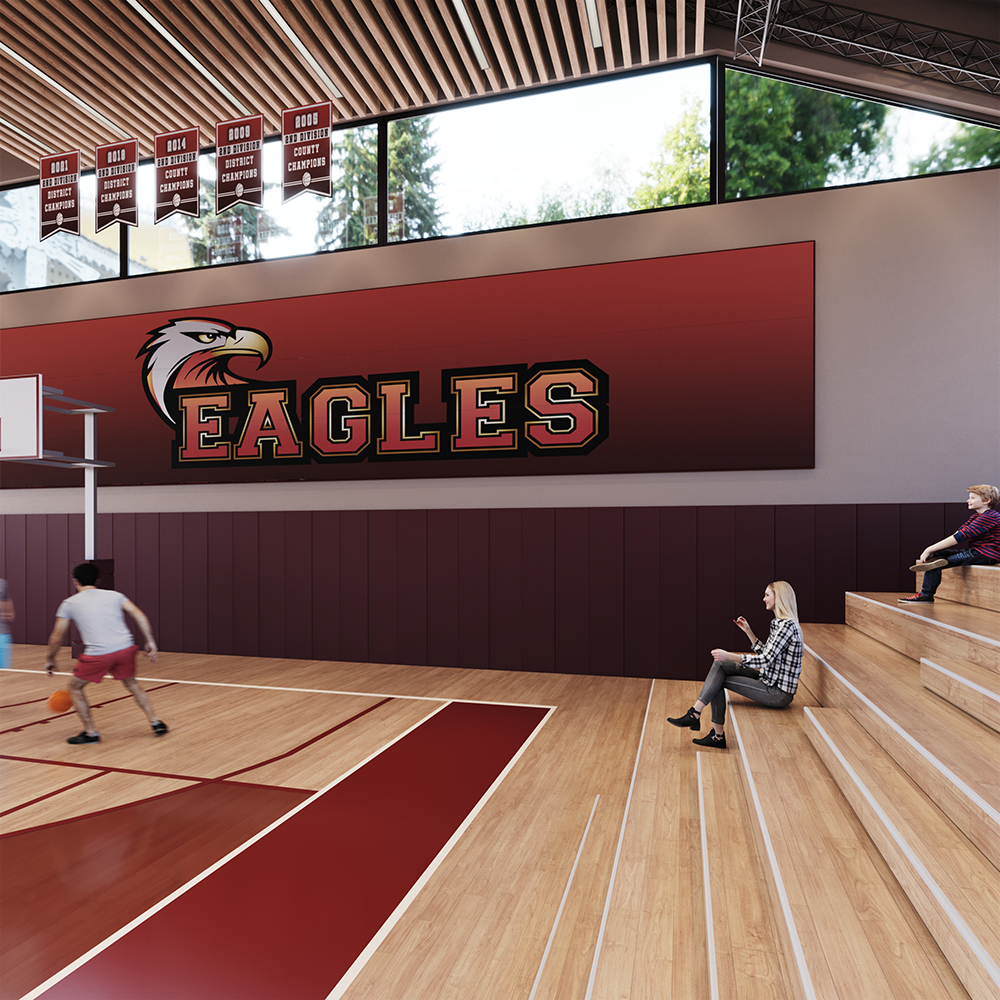
Community Centers: High movement, mixed activity. Needs zoning. Acoustic partitions, clouds, and feature walls can divide sound as easily as they divide space.
Key Takeaway:
Good Acoustics don’t remove sound, they shape it
How Can Commercial Acoustic Panels Improve the Third-Place Experience?
EzoBord’s acoustic materials are frequently used in these environments for three main reasons:
1. They Support Social Interaction
People naturally stay longer when sound isn’t overwhelming. Commercial acoustic wall panels absorb excess noise so voices remain clear, making social encounters more enjoyable.
2. They Improve Emotional Comfort
Chaos creates stress. Thoughtfully placed acoustic ceiling panels reduce harsh reverberation, helping spaces feel softer and more welcoming.
3. They Allow Designers to Define Zones
Acoustics can separate:
- Active vs. quiet zones
- Work vs. lounge spaces
- Youth areas vs. adult programming
- Private corners vs. open gathering areas
With EzoBord’s range of forms and customization options, designers can craft acoustics that function beautifully while becoming part of the visual story.
How Does EzoBord Approach Acoustics in Third Places?
EzoBord takes a human-centered approach: design for community, design for comfort, design for belonging.
Third places serve diverse users and unpredictable activities. That’s why acoustic solutions need to be:
- Lightweight and modular
- Customizable in color, texture, pattern, and form
- Durable enough for high-traffic environments
- Designed to complement architectural aesthetics
EzoBord materials help designers shape the sonic identity of a space – one that supports connection and behavior instead of working against it.
Key Takeaway:
Acoustics are not an accessory; they’re an essential part of defining a community’s experience.
What Does the Future of Third-Place Sound Design Look Like?
As cities grow and more people seek connection outside traditional spaces, third places will continue to evolve. Acoustic design will move from “add-on” to “core design requirement.”
EzoBord anticipates a future where:
- Zoning through sound becomes as important as zoning through furniture
- Printed acoustic materials reinforce brand or cultural identity
- Modular acoustic systems support flexible programming
- Aesthetics and performance merge seamlessly
- Community-driven design becomes standard
Sound will remain one of the most influential, yet least visible, elements shaping how people feel in shared spaces. Third places thrive when people feel comfortable, engaged, and connected, and acoustics play a central role in creating that environment.
EzoBord’s commercial acoustic panels which include commercial acoustic wall panels, and acoustic ceiling panels, help designers build spaces where sound supports interaction instead of competing with it. These are materials created not just for performance, but for the social fabric of the community.
Because when sound design is done well, people don’t think about it, they simply enjoy being there.
Ready to Rethink Your Space?
Your ears deserve more than noise; they deserve clarity. At EzoBord, we design acoustic solutions that respect how people truly hear, blending science, sustainability, and style.
Contact Us today to discuss how EzoBord can help transform your space into one where sound works for you, not against you.
Related Blogs
Data-Driven Design Meets Human Creativity AI is not replacing the designer but enhancing them. By handling the heavy lifting of analysis and prediction, it allows architects and designers to focus on intent, not just output. A designer might say, “I want this...
It’s cliché to say but the world is changing fast and what was once predictable is now mutable. As with most things, design can’t afford to sit still. Spaces are expected to do more, evolve faster, and adapt seamlessly to shifting needs, whether that’s a retail store...
Imagine walking into a newly designed office, classroom, or healthcare facility and immediately noticing how effortlessly sound moves through the space. Conversations are clear, background noise is minimal, and the environment feels comfortable. Achieving that level...