The Most Common Acoustic Mistakes
We Still See in Modern Interiors
Modern interiors have never looked better. Clean lines, open plans, polished concrete, glass walls, timber slats, and minimalist finishes dominate homes, offices, cafés, and public spaces. Visually, it’s a golden age of design.
Acoustically? Not always.
Despite advances in materials, technology, and awareness, we still see the same acoustic mistakes showing up again and again in contemporary interiors. The good news is that these mistakes aren’t happening because designers don’t care; they’re happening because acoustics are evolving, and expectations around comfort, wellbeing, and flexibility are changing fast.
Let’s look at the most common acoustic missteps we’re still seeing today and where interior design is heading next.
1. Assuming “Open Plan” Automatically Works for Sound
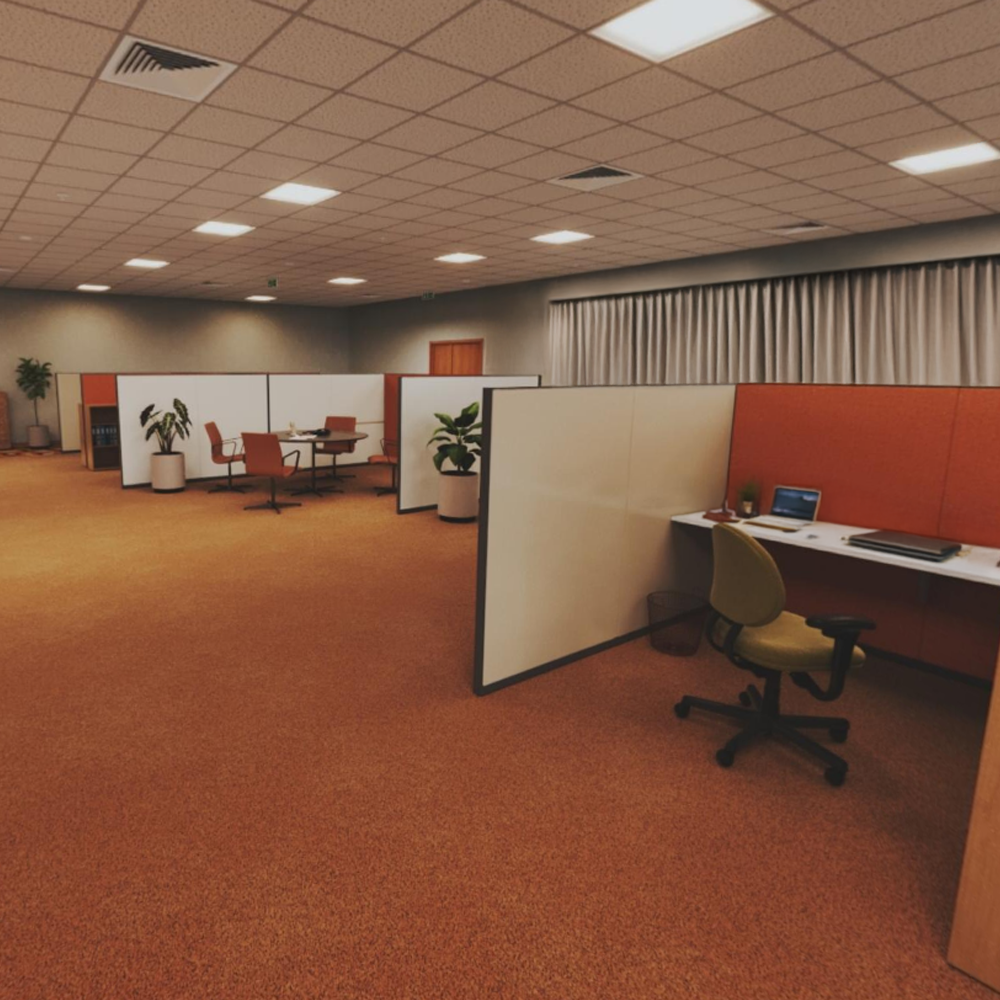
Open-plan spaces remain a favourite in modern design. They encourage collaboration, flexibility, and a sense of openness. But acoustically, open plan without treatment is one of the biggest challenges we face.
Large volumes, hard surfaces, and minimal soft furnishings create echo, reverberation, and speech noise that travels far beyond where it’s welcome. In offices, this leads to reduced concentration and productivity. In hospitality spaces, it often results in the familiar “too loud to talk” problem.
The mistake isn’t the open plan itself but assuming the space will behave acoustically without intentional intervention. The future of open-plan design isn’t about closing spaces off again; it’s about zoning sound intelligently with ceiling panels, wall treatments, and integrated acoustic features that maintain openness while improving comfort.
2. Treating Acoustics as a Late-Stage Add-On
One of the most persistent issues we see is acoustics being addressed too late in the design process, often after a space is built and occupied.
At that point, the options are limited, budgets are tighter, and solutions can feel reactive rather than integrated. Panels get “stuck on” instead of designed in.
The future of interiors is proactive acoustic planning. When acoustic materials like EzoBord are considered early, they become part of the aesthetic language of the space and not a compromise. Designers are increasingly using acoustic panels as feature walls, ceiling sculptures, and branded elements that perform beautifully both visually and sonically.
3. Believing Soft Furnishings Alone Are Enough
Rugs, curtains, couches, and plants all help, but they rarely solve the problem on their own.
We still see spaces where acoustics rely entirely on loose furnishings, only to fall short once the space fills with people, movement, and noise. This is especially common in cafés, breakout spaces, and residential living areas with high ceilings.
The reality is that effective acoustic control needs purpose-built absorption. The future isn’t about choosing between style and performance; it’s about materials that do both. Acoustic panels today are thinner, lighter, more customizable, and more design-forward than ever, making them a natural extension of interior finishes rather than an afterthought.
4. Overlooking Ceilings as an Acoustic Opportunity
Walls tend to get all the attention, but ceilings are often the largest uninterrupted surface in a space and also one of the most powerful tools for acoustic control.
We still see modern interiors with stunning ceilings that are completely acoustically inactive. Exposed concrete, plasterboard, or timber ceilings may look impressive, but they can significantly amplify sound.
The future of ceiling design is acoustic-first without looking acoustic. Floating panels, baffles, clouds, and custom-cut forms allow designers to soften sound while maintaining architectural impact. Ceilings are no longer just overhead they’re active contributors to comfort and atmosphere.
5. Ignoring Acoustic as Spaces Change
Modern interiors are flexible by nature. Offices shift layouts, homes double as workspaces, and commercial venues host multiple functions. Yet acoustics are often designed for a single moment in time.
We still see spaces that sound “fine” when empty or sparsely occupied but struggle as usage evolves. This creates a mismatch between how a space looks and how it feels to be in.
Future-focused acoustic design is adaptable. Modular, lightweight systems allow spaces to evolve without major renovations. Acoustic solutions that can move, reconfigure, or expand ensure performance keeps pace with changing needs.
6. Thinking Acoustic Panels Have to Look “Technical”
This might be the biggest misconception of all.
There’s still a lingering belief that acoustic panels are bulky, boring, or industrial-looking. That thinking belongs firmly in the past.
Today’s acoustic materials, including EzoBord, are designed to be seen. They’re available in a wide range of colours, textures, thicknesses, and custom forms, allowing designers to express creativity while solving real acoustic challenges.
The future of interiors doesn’t hide acoustics. It celebrates them.
Designing for the Way Spaces Feel
At its core, acoustics isn’t just about controlling noise but rather about shaping experience. How a space sounds influences how long people stay, how well they communicate, how productive they are, and how comfortable they feel.
As interiors continue to evolve, acoustic design is moving from a technical consideration to a fundamental design principle. The spaces of the future won’t just look good – they’ll feel good too.
And the most successful interiors will be the ones that get the sound right from the start.
Related Blogs
As we welcome 2026, acoustic design is no longer a back-of-house technical consideration; rather, it’s a strategic design tool that influences well-being, productivity, brand experience, and spatial identity. Today’s environments, from evolving workplaces to dynamic...
Walk into a great café, gallery, or community hub and you’ll feel it before you even notice why. The atmosphere is balanced, lively but not chaotic, calm but not silent, welcoming but not overwhelming.What creates that “feel”? More often than not, it’s sound, and...
Data-Driven Design Meets Human Creativity AI is not replacing the designer but enhancing them. By handling the heavy lifting of analysis and prediction, it allows architects and designers to focus on intent, not just output. A designer might say, “I want this...